Golpes Online
Fraud documented: report reveals fake website tactics - Is your brand truly safe?
branddi · Published on · Updated on
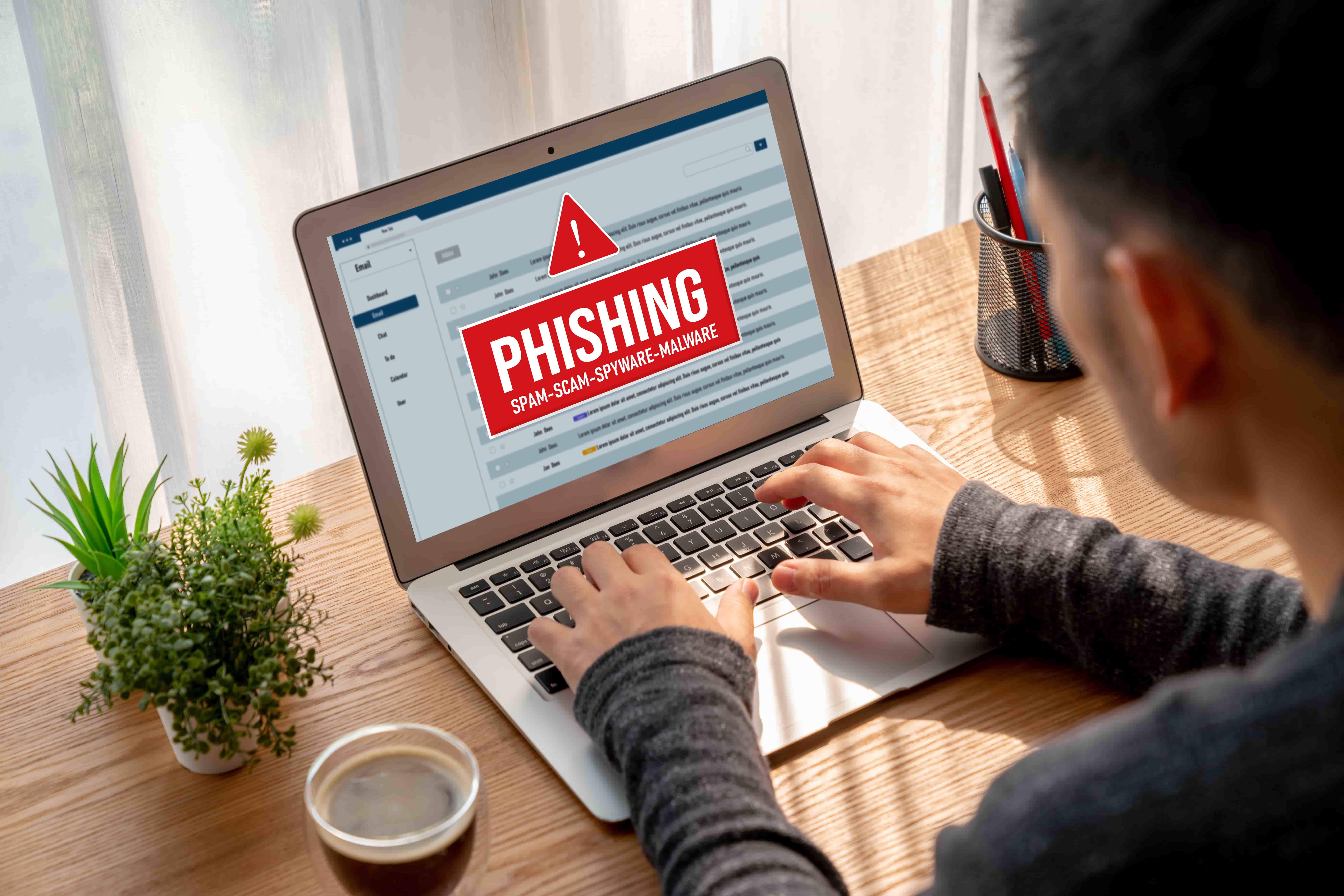
Thousands of falsified documents, generated by fraudulent websites that imitate legitimate services. This is the shocking warning from a recent CloudSEK report. And the question that remains is: if it happens with government services, what prevents it from happening to your brand?
The scammers' strategy is simple, but devastating: replicate the identity of trustworthy companies to deceive customers and divert revenue. That is, as you read this, your brand may be being misused, undermining the trust you worked so hard to build.
But there is a way to get ahead of these scams. Keep reading and discover how Branddi turns intelligence and technology into a digital fortress for your brand?
The mechanism of fraud: how fake websites deceive thousands
The tactic is frighteningly effective: fraudsters register domains with names very similar to official or well-known brands, replicate the design and offer "services" that, in fact, aim to hijack clicks or charge for something that will never be delivered.
Proof of this is that in the case reported by CloudSEK, a single fake website would have generated the equivalent of hundreds of thousands of reais in fraudulent fees, operated by a network of more than 2,700 individuals.
This scale demonstrates the organization behind these frauds. After all, they not only create the websites, but also promote them, often using paid advertisements in search engines or links on social networks, to attract as many victims as possible.
For Branddi, this reality is a known battlefield and the speed with which these fraudulent sites emerge and the sophistication of imitations require constant and specialized monitoring. That is, it is not just a copied logo, but an entire user experience designed to deceive.
Your brand in the crosshairs: impacts beyond immediate financial loss
When a customer is deceived by a website pretending to be your brand, the consequences go far beyond individual financial loss.
This is because consumer confidence is shaken, and your company's image can be severely damaged. After all, for the injured customer, the negative association is immediate, even if your company is not directly to blame.
The proliferation of fake websites and other forms of phishing and piracy dilutes the value of your brand, diverts legitimate customers and can even generate support costs to resolve problems caused by third parties. That is, in today's competitive digital environment, protecting identity and online reputation is not a luxury, but a fundamental necessity for business survival and growth.
Branddi: proactive defense against the epidemic of fake websites
The good news is that your brand does not have to face this threat alone: Branddi specializes in detecting and removing fraudulent websites, profiles false, misleading advertisements and any type of content that infringes your rights and puts your customers at risk.
All this using a combination of cutting-edge artificial intelligence and specialized human analysis, we monitor the web continuously.
Branddi's approach is proactive: the company focuses on identifying malicious domains, often before they even cause major damage, and acts quickly to request their removal from providers and platforms.
Don't wait for your brand to be the next victim of this growing wave of fraud: remember that vigilance and specialized action are your best allies.
Visit the Branddi website today and discover how we can strengthen your brand's security in the digital universe with our shielding marketing!
Related articles
-
Mother's Day in the beauty sector: when the competition starts before the date
The competition for Mother's Day intensifies as early as the beginning of the year, driving up media costs and requiring brands to plan ahead.
-
Tourism: last peak season recorded around 60,000 digital scam attempts linked to the sector
Branddi's survey shows an average of over 660 incidents per day during the 2025-2026 summer season.
-
6 in 10 Brazilians stop buying from a brand after being scammed, study shows
Did you know that 6 in 10 Brazilians stop buying from a brand after being scammed? In some cases, as Branddi's latest survey shows, this distancing tends to be permanent. Learn more.
-
Phishing surges 466%: is your brand the next target of AI-powered scams?
A new report reveals an unprecedented surge in phishing. Understand how this puts your revenue and reputation at risk and how to protect yourself with Branddi!
-
Scam marketing: what is it and how to protect your brand
Understand how scam marketing works and how you can shield your company against the risks it poses. Learn more by clicking here!